






Technical Principles of Architectural Formwork
Jun 19, 2026
Leave a message
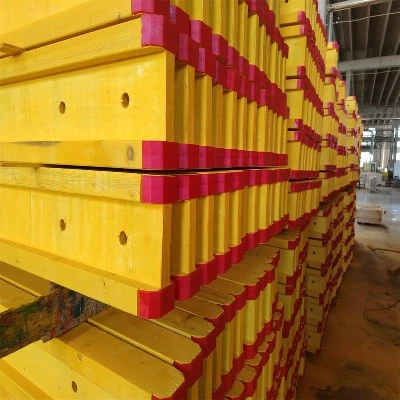
Architectural formwork, also known as building formwork, is an indispensable material in the construction process. It is primarily used for casting and shaping concrete structures, providing support and shaping for the newly poured concrete to ensure the accuracy and stability of the building structure.
Architectural formwork is typically made of high-strength materials, such as plywood, metal sheets, or plastic sheets, which possess excellent load-bearing capacity and durability. Its surface undergoes special treatments, such as coating or painting, to enhance its waterproof, corrosion-resistant, and easy-to-demold properties. The thickness, size, and shape of the formwork can be customized according to specific construction needs to meet the casting requirements of different building structures.
In terms of technical principles, architectural formwork provides a temporary support structure for concrete through its rigidity and stability. During concrete pouring, the formwork can withstand the weight and lateral pressure of the concrete, preventing deformation or collapse. Simultaneously, the smooth surface of the formwork contributes to the uniform distribution and compaction of the concrete, improving the overall quality of the concrete structure.
Send Inquiry