






Differences Between Plywood And Multi-Layer Board
May 01, 2026
Leave a message
Plywood and multi-layer board are two common types of wood-based panels, differing significantly in structure, uses, and performance. Plywood is made by bonding multiple layers of thin wood veneers together with adhesives. The fiber directions of adjacent veneer layers are perpendicular to each other to improve strength and stability. Multi-layer board, on the other hand, is made by gluing together three or more layers of veneer, but the fiber directions of each layer can be the same or different, offering greater structural flexibility.
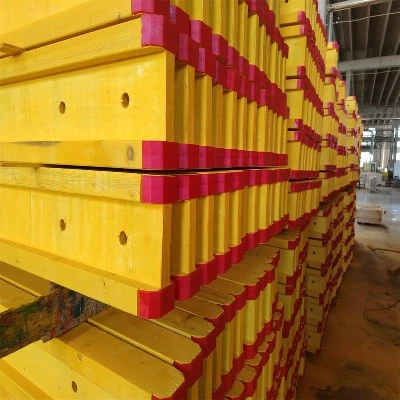
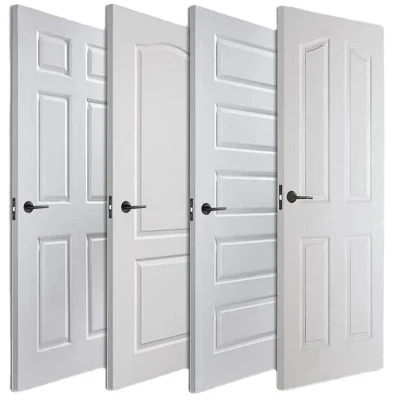
In terms of performance, plywood, due to its cross-arranged fiber direction, has higher resistance to bending and deformation, making it suitable for applications requiring high strength, such as furniture making and construction formwork. Multi-layer board, due to its flexible structure, is more suitable for decorative and light-load applications, such as wall cladding and furniture veneer.
From an environmental perspective, the environmental performance of plywood and multi-layer board depends on the adhesives used. Boards using environmentally friendly adhesives (such as E0 or E1 grade) have lower formaldehyde emissions and are more suitable for indoor use.
In terms of price, plywood is generally slightly more expensive than multi-layer board because its manufacturing process is more complex and its strength is higher. However, the specific price also depends on the thickness, material, and brand of the board.
The choice between plywood and multi-layer board should be based on the specific application and budget. Plywood is more suitable for applications requiring high strength and stability, while multi-layer board is more suitable for decorative and light-load applications.
Send Inquiry