






Are Plywood And Multi-layer Boards Made Of The Same Material?
May 02, 2026
Leave a message
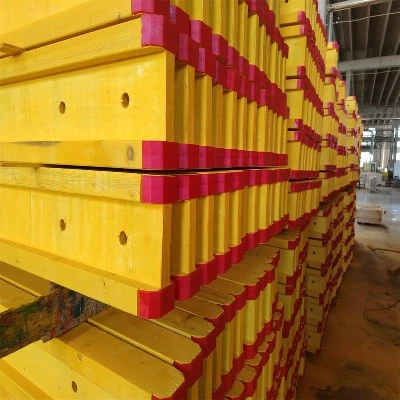
Both plywood and multi-layer boards are made of wood veneers bonded together with glue, and at first glance, they may seem similar. However, their manufacturing processes and final performance are vastly different. Plywood can be thought of as a "single-sided hero," typically made by cross-lamining an odd number of veneers, with the outermost layer having the same grain direction. Think of it like building a house: layering bricks, while sturdy, relies primarily on the grain direction of the outermost layer.
Multi-layer boards, on the other hand, are more like a model of "teamwork." They are made by cross-lamining multiple layers of veneers, each with a different grain direction, giving them greater overall stability and bending strength. This is like a house built with reinforced concrete, where support is provided in all directions, resulting in excellent earthquake resistance!
Therefore, the advantages of plywood are its relatively low price, smooth surface, and ease of processing. However, its disadvantages are also obvious: relatively weaker bending strength, susceptibility to moisture and warping, and generally lower water resistance. It's like a beautiful but fragile vase – pretty to look at, but easily damaged by wind and rain.
Multi-layer boards, on the other hand, excel in stability, high bending strength, and impact resistance, offering superior overall performance. However, they are also relatively more expensive and more difficult to process than plywood. It's like a martial arts master with profound inner strength – their appearance may not be as striking, but their power is undeniable!
So, how do you distinguish between them? It's actually quite simple! First, look at the appearance. Plywood typically has a smooth, flat surface with a consistent wood grain direction; multi-layer boards may have a slightly rougher surface with interlaced wood grain. Second, observe the cross-section of the board. Plywood has fewer layers, with clear boundaries between them; multi-layer boards have more layers, with relatively blurred boundaries between them. Finally, you can also feel the weight; multi-layer boards are usually heavier than plywood.
As for applications, plywood is typically used in furniture making, packaging boxes, and other applications where strength requirements are not high; while multi-layer boards are more suitable for flooring, furniture, decoration, and other applications where strength and stability requirements are higher.
Send Inquiry