






What Are The Differences Between Construction Formwork And Film-faced Plywood?
May 17, 2026
Leave a message
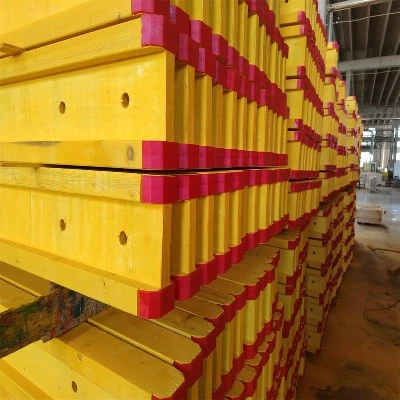
Different Applications: Construction formwork is mainly used for support during concrete construction, commonly including wooden, steel, and bamboo formwork. Film-faced plywood, on the other hand, is primarily used for covering greenhouses, allowing light to pass through; common materials include inorganic glass, polycarbonate sheets, and fiberglass sheets.
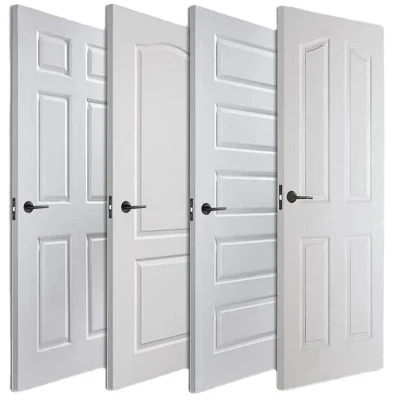
Different Materials: Construction formwork is mainly made of wood and steel. Wooden formwork can be further divided into solid wood and plywood formwork. Solid wood formwork is commonly used in high-end building projects, while plywood formwork is suitable for general engineering. Film-faced plywood is mainly made of inorganic glass, polycarbonate sheets, and fiberglass sheets, and different thicknesses can be selected as needed.
Different Characteristics: Construction formwork is characterized by high strength, light weight, and ease of construction; while film-faced plywood is characterized by good light transmission and UV resistance. Furthermore, because construction formwork needs to support concrete and requires multiple moves and reassemblies during construction, its structure and materials have higher requirements. Film-faced plywood generally only requires frequent cleaning and replacement of components, therefore the required material strength is relatively lower.
In summary, construction formwork and film-faced plywood differ significantly in their applications, materials, and characteristics. The choice of material should be based on specific needs.
Send Inquiry